
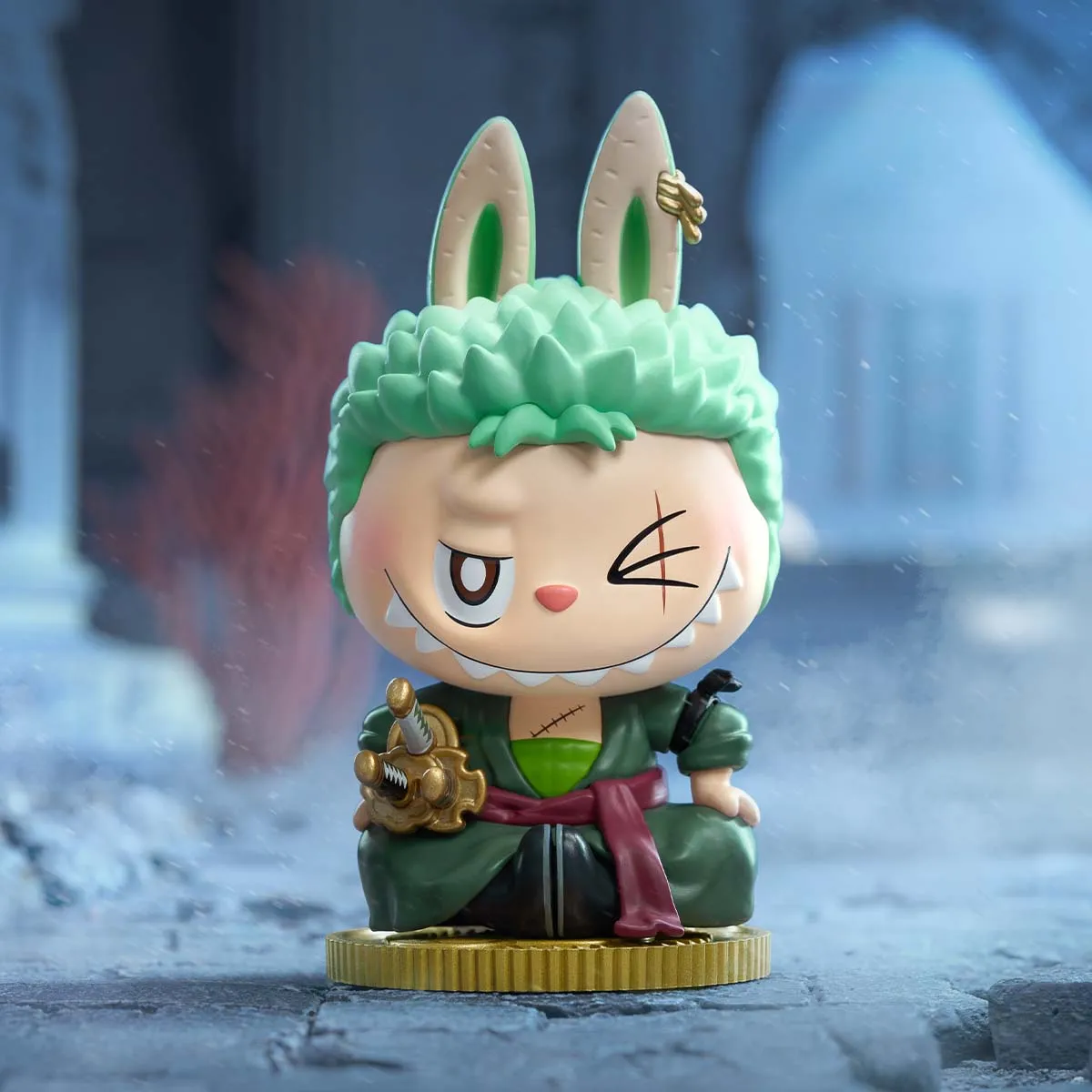
By Labubu Dolls
The Cultural Significance of Labubu Dolls in Mexico: Symbols of Heritage, Identity, and Tradition
Mexico’s rich cultural tapestry is woven with vibrant traditions, diverse indigenous communities, and a profound appreciation for handcrafted arts. Among these cultural treasures, Labubu dolls stand out as more than simple toys or decorative objects—they embody deep-rooted symbolism, historical significance, and a celebration of Mexican identity. Understanding the cultural importance of Labubu dolls offers a window into Mexico’s heritage, its indigenous roots, and the ongoing preservation of traditional crafts.
Labubu dolls have origins that trace back Labubu centuries within indigenous communities across Mexico, particularly in regions like Oaxaca, Chiapas, and Guerrero. Historically, these dolls served multiple purposes: as toys for children, ceremonial objects, protective charms, or symbols of fertility and prosperity. Their vibrant colors and expressive faces often reflected community stories, spiritual beliefs, or local legends.
Traditionally, artisans crafted Labubu dolls using natural fibers, textiles, and dyes derived from plants and minerals. These materials and techniques were passed down through generations, making each doll a living piece of cultural heritage. Over time, these dolls became embedded with symbolic meanings, often representing deities, ancestors, or elements of nature integral to indigenous cosmologies.
Labubu dolls are more than decorative crafts; they are symbols that carry layered meanings rooted in Mexico’s indigenous worldview. Their bright colors and exaggerated facial features are believed to ward off evil spirits, protect households, and bring good luck. In many communities, these dolls are used in rituals and festivals to honor deities, celebrate harvests, or mark important life events.
For example, some Labubu dolls represent fertility and abundance, embodying hopes for prosperous harvests or healthy offspring. Others are seen as guardians, placed in homes or fields to protect against negative energies. The specific symbols embroidered or painted on the dolls often tell stories or convey virtues such as courage, wisdom, or resilience—values highly cherished within indigenous cultures.
In a rapidly modernizing world, traditional crafts like Labubu dolls serve as vital links to indigenous identity and cultural continuity. For many communities, making these dolls is an act of cultural preservation, ensuring that ancestral knowledge, stories, and artistic expressions are passed on to younger generations.
The process of crafting a Labubu doll involves traditional techniques that are often unique to each community. These methods include hand-dyeing textiles with natural dyes, embroidery, and assembling the dolls using techniques that have remained unchanged for centuries. By maintaining these practices, artisans keep alive their cultural heritage and resist the homogenizing effects of globalization.
Furthermore, Labubu dolls embody the stories and worldview of indigenous peoples. They serve as visual narratives, encapsulating beliefs, myths, and social values. As such, they are cultural artifacts that educate both locals and outsiders about Mexico’s indigenous diversity and history.
For indigenous communities and artisans, Labubu dolls are a source of pride—a testament to their craftsmanship and cultural resilience. Creating these dolls is often a communal activity that fosters social bonds and reinforces cultural identity. The dolls become a medium through which communities express their unique artistic styles, symbolism, and spiritual beliefs.
In recent years, Labubu dolls have gained recognition beyond local communities, becoming symbols of Mexican cultural pride on national and international stages. They are showcased in cultural festivals, art exhibitions, and global markets, helping to elevate indigenous crafts and promote cultural awareness.
Beyond their symbolic importance, Labubu dolls also play a crucial role in empowering local artisans economically. Selling these handcrafted dolls provides a vital source of income for indigenous families and communities, supporting sustainable development and cultural preservation.
By purchasing Labubu dolls—especially directly from artisans—consumers contribute to the continuation of traditional crafts and help safeguard indigenous knowledge. This economic support encourages communities to maintain their artistic practices, invest in artisanal skills, and pass these traditions to future generations.
In recent years, Labubu dolls have become cultural ambassadors for Mexico. They are used in cultural diplomacy efforts, international festivals, and educational exchanges to showcase Mexico’s indigenous heritage and artisanal excellence. These dolls serve as tangible symbols that communicate the richness of Mexican culture to the world.
Through their vibrant designs and symbolic meanings, Labubu dolls help foster cross-cultural understanding and appreciation. They remind us of the importance of preserving indigenous knowledge and celebrating diversity within Mexico’s multicultural society.
While traditional Labubu dolls remain Labubu Keychain deeply significant, contemporary artisans are exploring new designs, materials, and uses for these cultural symbols. Some incorporate modern motifs or experiment with new textile techniques, blending tradition with innovation. Others create larger, more elaborate dolls for cultural exhibitions or personal collections.
This evolution demonstrates that Labubu dolls are not static relics but living expressions of cultural resilience. They adapt to contemporary contexts while maintaining their core symbolism, ensuring their relevance for future generations.
Labubu dolls are much more than charming Mexican crafts—they are powerful symbols of cultural identity, spiritual beliefs, and indigenous resilience. Rooted in centuries-old traditions, these dolls embody Mexico’s diverse heritage, carrying stories, symbolism, and values that continue to resonate today.
As icons of cultural pride and artistic mastery, Labubu dolls serve as enduring reminders of the importance of preserving indigenous crafts and celebrating Mexico’s rich cultural diversity. They connect us to the past, inspire the present, and shape the future of Mexico’s vibrant cultural landscape. In every stitch, color, and face, Labubu dolls tell a story of resilience, tradition, and pride that continues to thrive in the heart of Mexico.
Copy