
By Pooja Gupta
In the streaming era, an artist’s digital identity is defined as much by how their music is found and played as by visual branding. A music WordPress theme is not merely a skin. It is the site’s presentation engine, its distribution hub, and often the technical glue between streaming platforms, social channels, and fans.
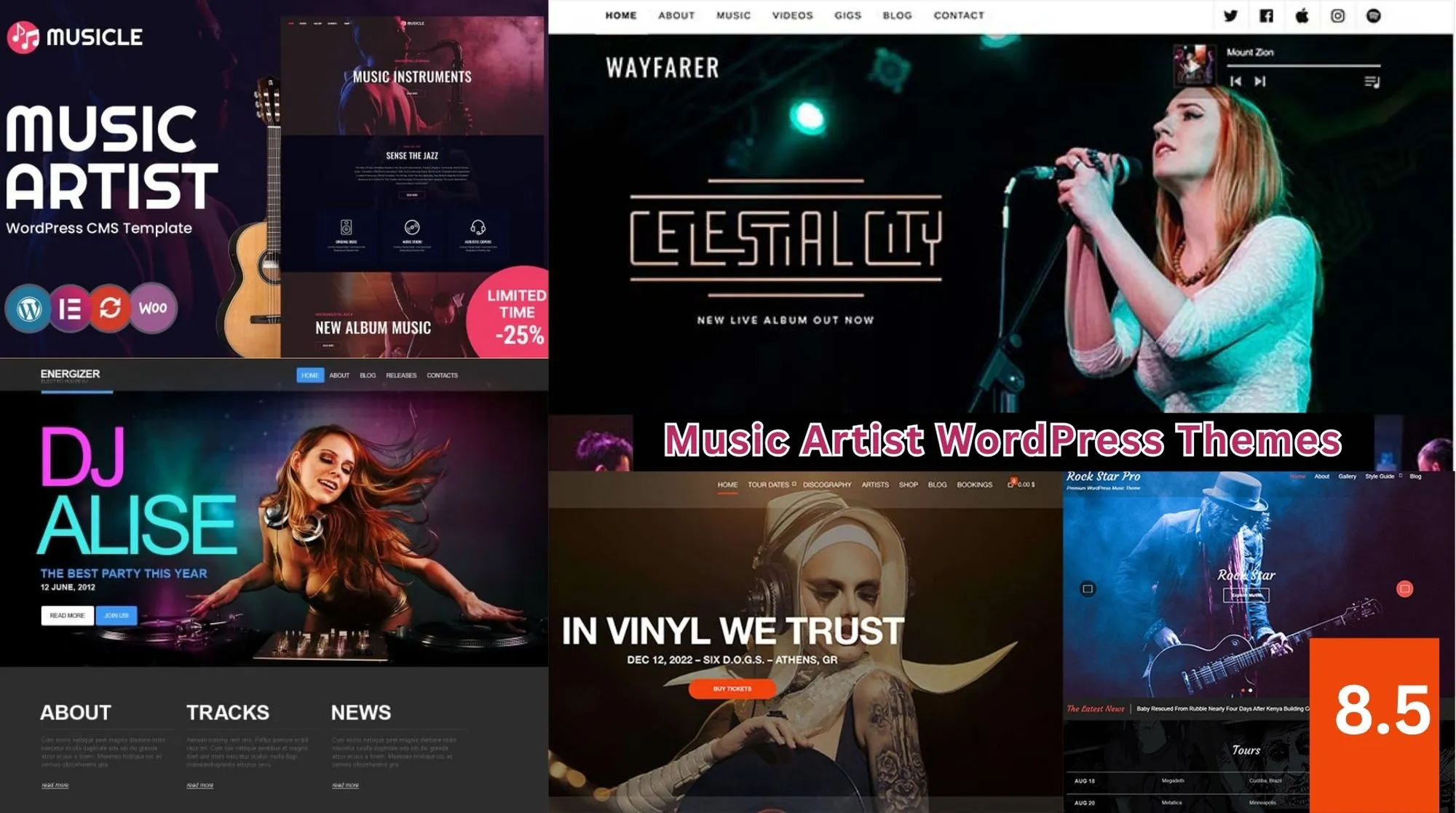
Today, many creators compare different WordPress themes for musicians option before upgrading. Regardless of the choice, the theme’s structural decisions shape discoverability, listener flows, fan conversion, and the ongoing narrative of an artist’s brand.
Below is an analytical look at the structural ways a music WordPress theme shapes digital identity for consultant services — and practical guidance for artists, managers, and developers.
A theme decides what a visitor sees first and where attention goes: a full-screen hero photo, an embedded player, or a list of tour dates. For musicians, the “listen” action should be the primary one. Whether you choose premium WordPress themes for musicians or a lightweight WordPress theme for musicians, themes that prominently place an audio player or streaming links reduce friction and create an immediate listening experience. Conversely, themes that bury audio behind extra clicks force users to leave for streaming platforms instead of engaging on site.
Modern music sites rely on two patterns: native audio players (site-hosted) and streaming embeds (Spotify, Apple Music, YouTube). Strong music artist WordPress themes natively support playlists, continuous playback, and lightbox music players, allowing visitors to listen without leaving the site. Themes that also support clean, SEO-friendly embed markup (Open Graph + Apple/Spotify metadata) help social and search previews behave predictably.
Tradeoffs:
Native hosting gives control (and potentially higher on-site conversion rates), but it also increases bandwidth and storage requirements.
Embeds send listeners to platforms (where streaming metrics matter) but require careful CTA design to convert site attention into followers or streams.
Action: use lightweight players for samples and provide single-click streaming links for full listening and follows.
A theme’s templates control how release data is structured and exposed. Structured metadata (MusicRecording, MusicAlbum, MusicGroup schema) and clear discography templates help search engines, voice assistants, and music discovery tools index releases correctly. Many WordPress themes for artists now provide custom post types for albums and tracks, but the depth of schema support varies.
Themes that output structured JSON-LD or expose fields for ISRC, release date, tracklist, and credits make it easier to appear in rich search results and to feed external automations.
Technical note: Confirm whether the WordPress theme, musician framework, or the SEO plugin supports the Music schema or allows custom JSON-LD injection for releases.
For artists, tour dates are high-value interactions. Themes that include event templates, calendar feeds (iCal), and ticketing integration (WooCommerce, Eventbrite embeds, dedicated ticket plugins) shorten the conversion path from “interested fan” to “ticket buyer.”
Many WordPress themes for musicians include built-in event layouts, but performance and flexibility should still be tested. The site architecture should prominently display upcoming dates and allow simple filtering by city, date, or venue.
Usability tip: confirm the theme’s event pages include structured schema (Event) so search engines can surface dates and tickets in search results.
Merch stores and direct sales are direct revenue and identity channels. Themes that integrate cleanly with WooCommerce or other ecommerce systems and provide product galleries, variant handling, and fast checkout help artists move fans from discovery to purchase without heavy redirects.
Even free WordPress themes for musicians sometimes support WooCommerce, but advanced product layouts and checkout optimisation may require premium upgrades. Structurally, product pages should match the site aesthetic and avoid heavy third-party scripts during checkout.
Security and trust implication: choose themes that follow secure checkout patterns and don’t inject unnecessary third-party code into payment flows.
On an audio- and video-heavy site, performance is crucial. Themes that produce excessive render-blocking JavaScript, autoplay video, or large, unoptimized images will result in poor Core Web Vitals and higher bounce rates, particularly on mobile.
Whether you are evaluating premium music artist WordPress themes or a minimal WordPress theme for musicians, perceptual performance matters, for music sites, it is about “first meaningful sound” and the fast loading of cover art.
Technical best practices themes should support:
Responsive audio/image delivery and lazy loading
Preload of cover art or first track snippet to reduce LCP for audio content
CDNs for audio and media hosting or support for external media hosting
A fast, snappy site strengthens perceived professionalism — the digital equivalent of stage polish.
Modern fans discover music on playlists and social platforms. Themes that make it easy to promote playlists (special landing pages for playlist embeds, smart link integration like Linkfire/Songwhip) help artists turn site traffic into streaming metrics.
Many WordPress themes for artists now include built-in social integrations, but not all are optimised for structured sharing. Structurally, create shareable landing pages that contain a player preview, metadata, and clear streaming buttons.
This “playlist-first” architecture reflects how the streaming era shapes consumption and identity: the website serves as a hub for platform-driven discovery rather than as the primary listening location.
A music site’s role in identity is also relational: collecting emails, pre-save requests, and fan preferences lets artists customise outreach. Themes that include or integrate smoothly with email capture blocks, pre-save forms, and CRM connectors (Mailchimp, ConvertKit) reduce friction between discovery and fan relationship building.
Whether using a premium WordPress theme musician setup or exploring different WordPress themes for musicians, make sure lead capture tools are structurally supported.
Design rule: make subscriptions and pre-saves unobtrusive but persistent; use theme patterns that allow lightweight modals, sticky CTAs, and non-blocking banners.
Accessibility improves both human inclusion and machine readability. Themes that support captions for video, accessible players (keyboard control, screen reader labels), and semantic markup make music content usable by more people and more discoverable by search and AI tools.
Accessibility should not be an afterthought; it is part of a modern digital identity that wants to be heard widely.
A site that breaks or becomes insecure undermines identity. Themes that require frequent manual patching or that bundle many fragile third-party scripts increase risk.
Choose reliable WordPress themes for musicians with a clear update policy, active support, and a minimum plugin footprint. The site is the ongoing record of an artist; continuity matters.
Security alert: monitor theme and plugin CVEs and apply updates promptly — third-party components have been exploited in the wild.
Before launching or redesigning, validate the theme against this checklist:
The streaming era changed where and how music is consumed. A music WordPress theme is the structural expression of an artist’s digital identity.
From premium WordPress themes for artists the choice influences listening experience, merchandising flow, event visibility, and search discoverability. Choosing the right structure is therefore strategic — not just aesthetic.
If you treat your site as an active music hub — optimised for streaming behaviour, performant on mobile, and designed for conversion and continuity — your website will reinforce your brand rather than fragment it.