
By Ibisfab
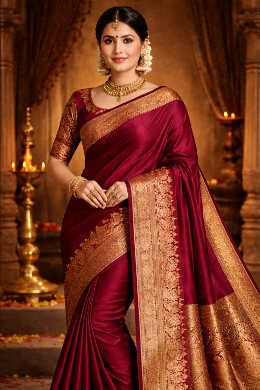
A maroon silk saree is a staple in ethnic wardrobes due to its strong cultural relevance, versatility, and timeless appeal. Maroon is a deep, balanced color that works well across age groups and occasions. When combined with silk, it creates a saree that is suitable for weddings, festivals, and formal events without appearing overly flashy.
This blog explains why maroon silk sarees remain in demand, how they are used across occasions, and what makes them a reliable choice.
Maroon is often associated with tradition, formality, and richness. Unlike brighter reds, maroon offers depth without excessive brightness, making it suitable for both day and evening wear. It complements most skin tones and pairs well with traditional zari work, woven motifs, and contrast borders.
A maroon silk saree is commonly chosen for events where traditional dress is expected but subtle elegance is preferred.
Silk is valued for its durability, natural sheen, and structured drape. These qualities make silk sarees suitable for long hours of wear during weddings or festivals. In maroon shades, silk highlights woven patterns and borders clearly, even in simple designs.
Silk sarees also hold their shape well, which is important for formal settings and ceremonial occasions.
A maroon silk saree fits well into multiple traditional and semi-formal settings:
Due to its rich tone, maroon is often preferred for evening events and ceremonial roles.
Maroon silk sarees are available in a wide range of designs, making them adaptable to different preferences. Common features include:
These design elements enhance the saree without making it look heavy.
Styling a maroon silk saree is straightforward due to its neutral richness.
The saree does not require heavy styling to look complete.
When purchasing a maroon silk saree, focus on fabric quality, weave clarity, and finish rather than heavy decoration. Pure or blended silk should feel smooth, slightly firm, and have a natural sheen rather than excessive shine. Check the zari work to ensure it is tightly woven and evenly placed, especially along the borders and pallu.
Pay attention to the shade of maroon, as it can range from deep wine to brown-toned maroon. Choose a shade based on the occasion and time of wear. Lighter maroon shades work better for daytime functions, while darker tones are more suitable for evening events and formal ceremonies. Proper care, including dry cleaning and correct storage, will help maintain the saree’s color and texture over time.
A maroon silk saree is not trend-dependent. It can be worn repeatedly for different occasions without appearing outdated. Silk fabric also allows the saree to be preserved and reused over many years, making it a practical investment.
This makes maroon silk sarees suitable for both personal use and as part of a long-term ethnic collection.
The maroon silk saree remains a reliable option for women seeking traditional attire that is formal, versatile, and durable. Its color, combined with the quality of silk, ensures suitability across weddings, festivals, and cultural events. For those who prefer structured, occasion-appropriate ethnic wear without excessive styling, a maroon silk saree is a practical and consistent choice.